Echoes of Kyoto: Inside the Hidden Machiya of the Old Artisans
Text by Julian Thorne
•Photography by 111111 Studio
•October 24, 2024
Filtered afternoon light passing through shoji screens in a restored Nishijin townhouse.
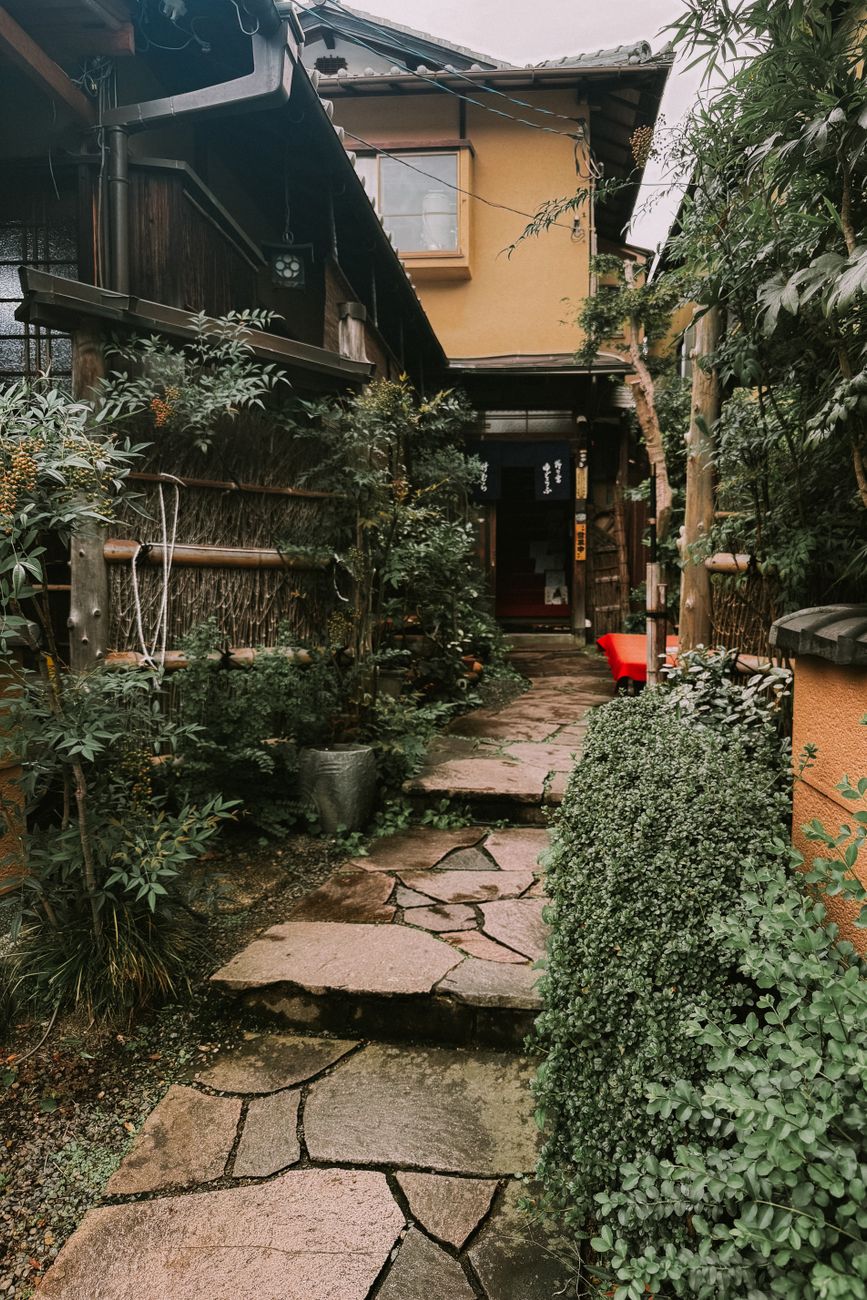
Step off the bustling avenues near Sanjo Station into the slender alleyways of Nishijin, and the soundscape changes instantaneously. Concrete gives way to dark cedar lattice walls, the drone of traffic fades into the gentle clicking of hand looms, and the scent of rain-soaked cedar fills the air.
These are Kyoto's machiya: traditional timber townhouses built without nails, engineered to breathe through stifling subtropical summers and insulate through damp, bone-chilling winters.
The Anatomy of Shadow and Wood
As Junichiro Tanizaki famously observed in In Praise of Shadows, Japanese aesthetic beauty resides not in radiant brightness, but in the subtleties of shade. A classic machiya is long and narrow, poetically referred to as "the eel’s bedroom" (unagi no nedoko).
At its heart lies the tsuboniwa—a miniature courtyard garden often measuring no more than a few square yards. Here, moss-covered stones and a single maple branch collect droplets of rain, casting gentle reflections against paper shoji screens.
The Modern Battle for Preservation
Maintaining timber structures against modern fire codes and inheritance taxes is an immense economic challenge for local families. In recent years, creative collectives and architects have intervened, transforming abandoned machiya into quiet bookbinderies, tea salons, and private traveler residences.
Staying in a heritage machiya rather than a high-rise hotel allows visitors to experience Kyoto as an inhabitant: waking to the sound of temple bells, rolling up futons over tatami reeds, and walking early morning paths before midday crowds arrive.
Essential Etiquette for Slow Exploration
- Footwear: Always remove outdoor shoes immediately at the genkan step; wear clean socks to preserve delicate woven tatami mats.
- Photography: Refrain from photographing geiko or maiko in private alleys; honor the residential sanctity of Higashiyama.
- Quiet Navigation: Early mornings between 6:00 and 8:30 AM offer the most reflective encounters with temple grounds and bamboo groves.