The Rhythm of Tuscan Harvests: Preserving Century-Old Olive Groves
Text by Elena Vane
•Photography by 111111 Studio
•November 12, 2024
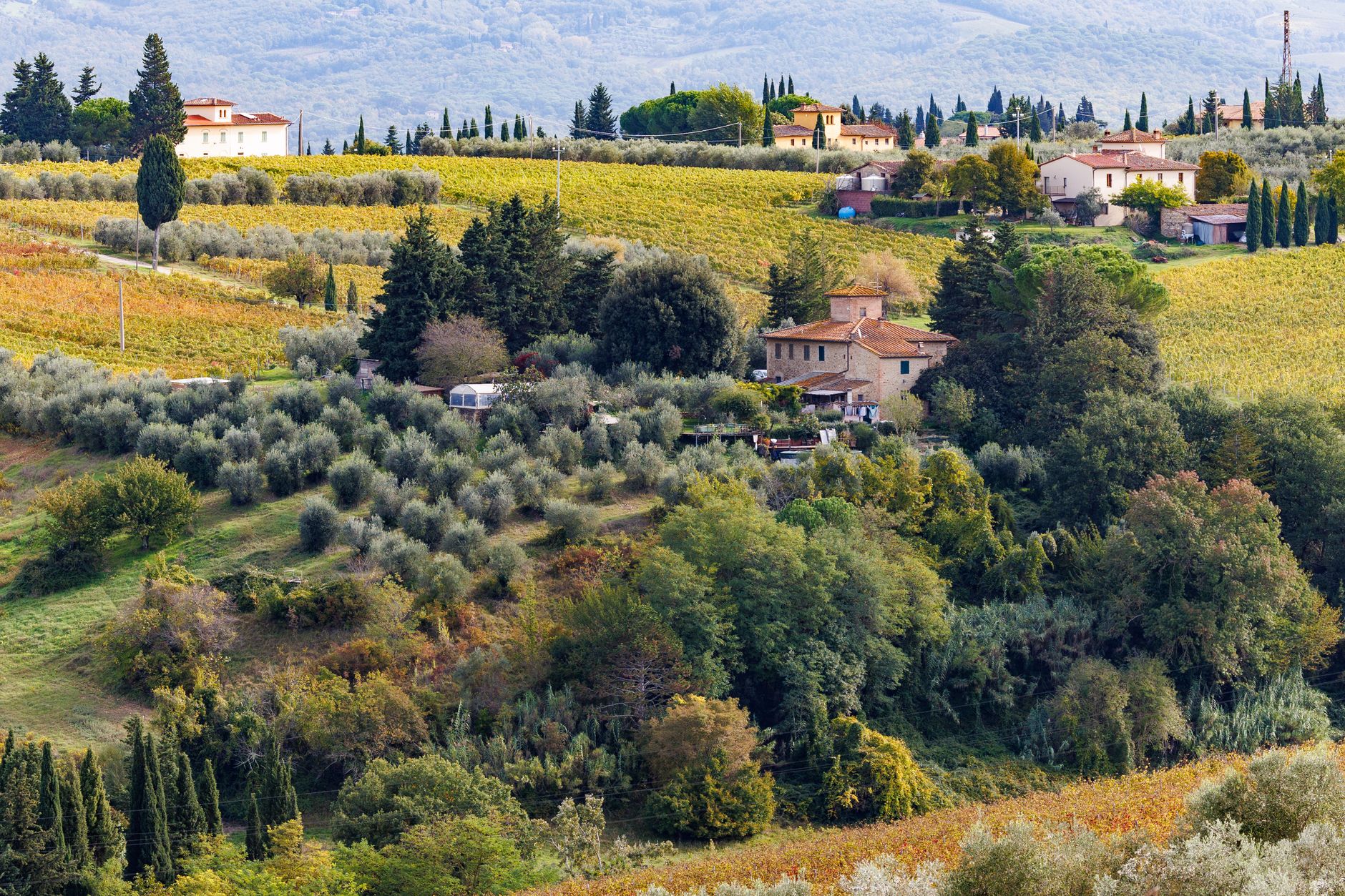
Sunrise over the Val d'Orcia as picking tarps are laid beneath Frantoio cultivars.
Before the sun clears the crest of Montalcino, the valley is drowned in cold, pearlescent mist. Underfoot, the clay soil of the Chianti Classico zone clings stubbornly to work boots, smelling faintly of dampened limestone, wild rosemary, and bruised olive leaves.
For three weeks each November, this landscape trades its tranquil summer posture for feverish, methodical physical exertion. It is the time of the raccolta—the harvest—where century-old Frantoio and Moraiolo trees yield their bitter, green drupes to wooden crates and stone mills.
The Art of Immediate Cold Extraction
"If an olive sits on the wagon for thirty-six hours, you have not made oil; you have merely made fat," explains Matteo Guidi, leaning over a stainless steel centrifugal decanter at his family frantoio near Greve. His grandfather purchased these stone terraces in 1934, when pressing relied on woven hemp mats and slow-turning granite wheels.
Today, while the machinery is modern stainless steel operating under nitrogen to prevent oxidation, the human rhythm remains unhurried. Picking begins at dawn, with small rakes gently dislodging fruit into net blankets spread across the terraced earth.
Residency and the Autumn Table
Travelers who visit Tuscany in July encounter crowded piazzas and dry, sun-baked hills. Those who arrive in late autumn find the true soul of the region. Evenings smell of burning olive prunings and roasted chestnuts. In village trattorias, the centerpiece of every table is not wine, but a ceramic cruet filled with opaque, electric-green oil that stings the back of the throat with peppery polyphenols.
Drizzled over unsalted white cannellini beans or warm slices of crusty wood-fired bread rubbed with garlic, it offers a visceral connection to the soil that no summer tasting room can replicate.
Field Recommendations for Travelers
- Optimal Window: Arrive between October 28 and November 20 for active harvesting and mill operations.
- Transport: A compact manual automobile is essential for navigating narrow gravel strade bianche between estates.
- Responsible Sourcing: Purchase oil directly from certified organic frantoi where extraction occurs within six hours of picking.